
Hear from Our Customers
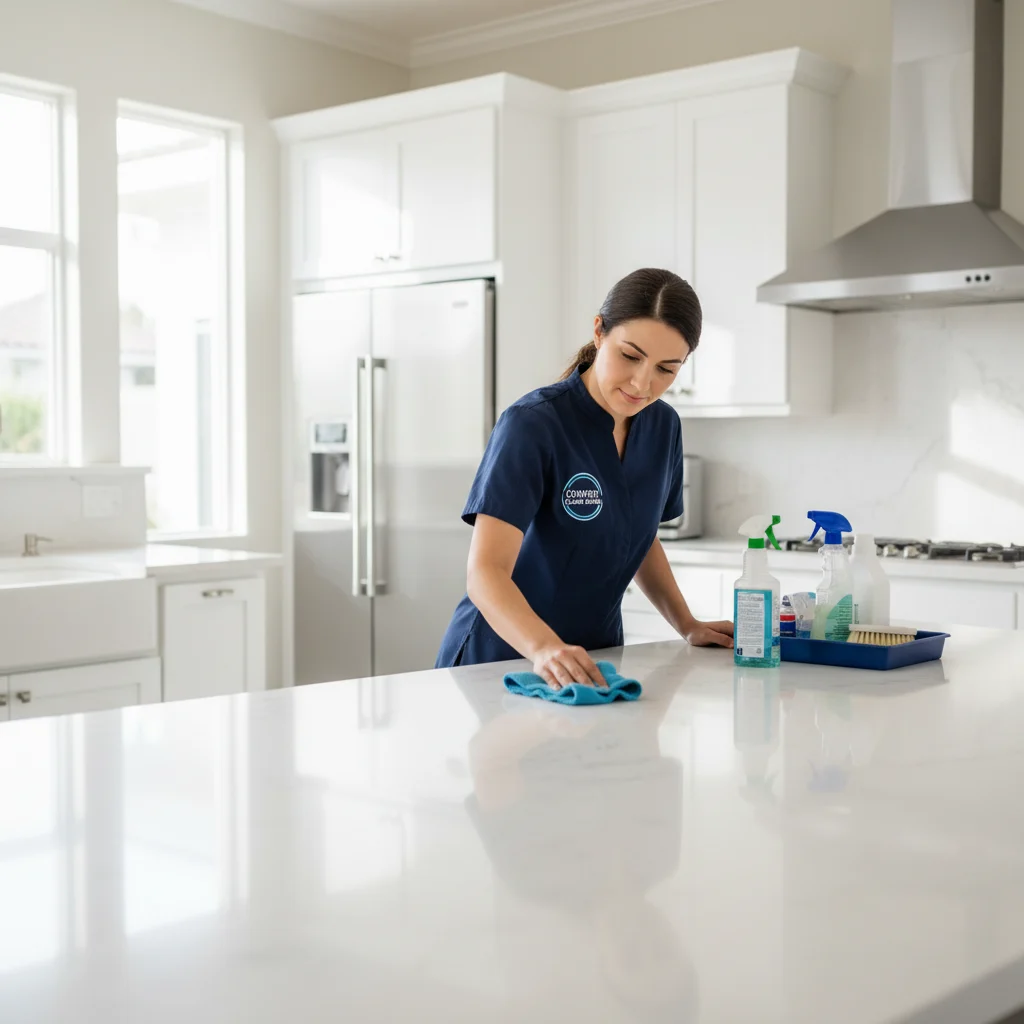
There’s a real gap between the day your contractor wraps up and the day your home feels livable again. That gap is filled with fine dust on every surface, grime in every cabinet, and particles that keep resettling no matter how many times you wipe things down. Professional post renovation cleaning closes that gap — not just visually, but in a way that actually makes the space safe to breathe in.
That matters more in City Heights than in most San Diego neighborhoods. The majority of homes here were built between 1910 and 1930, long before lead paint was banned in 1978. When a renovation disturbs those walls, floors, or ceilings, what gets released isn’t ordinary construction dust. It can carry lead paint residue, older building materials, and decades of accumulated particulate matter that standard cleaning products and techniques simply aren’t built to handle. The Environmental Health Coalition has specifically flagged City Heights as a childhood lead-poisoning hot spot because of this housing reality.
On top of that, more than 60% of City Heights housing is multi-family. Dust from a renovation in one unit doesn’t stay there. It travels through shared HVAC systems, settles into hallways, and finds its way into adjacent spaces. A thorough post construction clean accounts for that spread — not just the room that was renovated, but the paths the dust took to get everywhere else.
We’re a locally owned, family-operated cleaning company based in San Diego County, serving City Heights and the surrounding Mid-City area for over a decade. We’re fully bonded and insured, which matters when you’ve just invested in a renovation and need to know that the cleaning crew coming into your home is accountable if something goes wrong.
We use eco-friendly, non-toxic, biodegradable products on every job. In a neighborhood like City Heights — where EPA data shows residents already face a significantly elevated respiratory risk compared to other parts of the city — that’s not a marketing angle. It’s the right call. Adding harsh chemical exposure on top of a renovation cleanup is the last thing a family with kids or pets needs.
We’re also upfront about what we do and don’t offer. We don’t do trash removal, organization services, or professional window cleaning. What we do is clean thoroughly, show up on time, and communicate quickly — which is exactly what you need when you’re trying to get a renovated space ready to actually use.
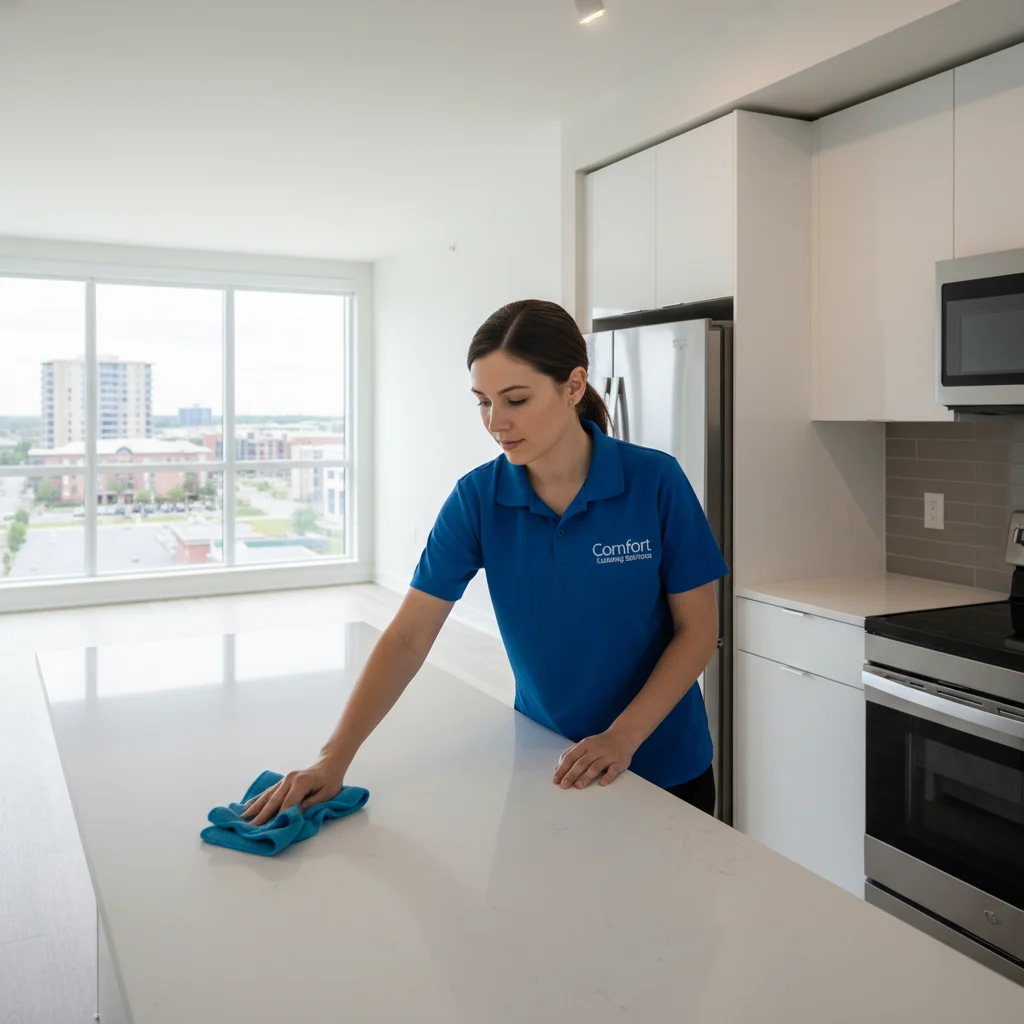
Post renovation cleaning isn’t the same process as a regular deep clean, and it especially isn’t the same in a pre-war City Heights home as it would be in a newer-construction neighborhood. The approach has to match what the renovation actually disturbed.
We start with a surface-by-surface pass from the top down — ceiling fixtures, light fittings, shelving, and upper cabinet exteriors before anything at floor level gets touched. Construction dust is fine and electrostatic, which means if you clean the floors first, everything you disturbed above just resettles right back down. We work through walls, window tracks, baseboards, the interiors of cabinets and drawers, appliance surfaces, and hardware — the places a contractor’s basic sweep never reaches.
From there, floors are vacuumed and mopped using products appropriate for the specific surface. In City Heights, where many original homes still have hardwood floors, tile, or other materials that predate modern flooring standards, using the wrong product or technique can scratch or dull a surface that’s just been refinished. Getting that right matters. If your renovation involved any HVAC work or ductwork, it’s worth noting that construction dust that gets into your system will keep recirculating long after the clean is done — something worth discussing when you book. California also requires an asbestos inspection before renovation work on pre-1980 buildings, and if abatement was part of your project, post-abatement cleaning is a separate and necessary step before your space is safe for reoccupancy.
Ready to get started?
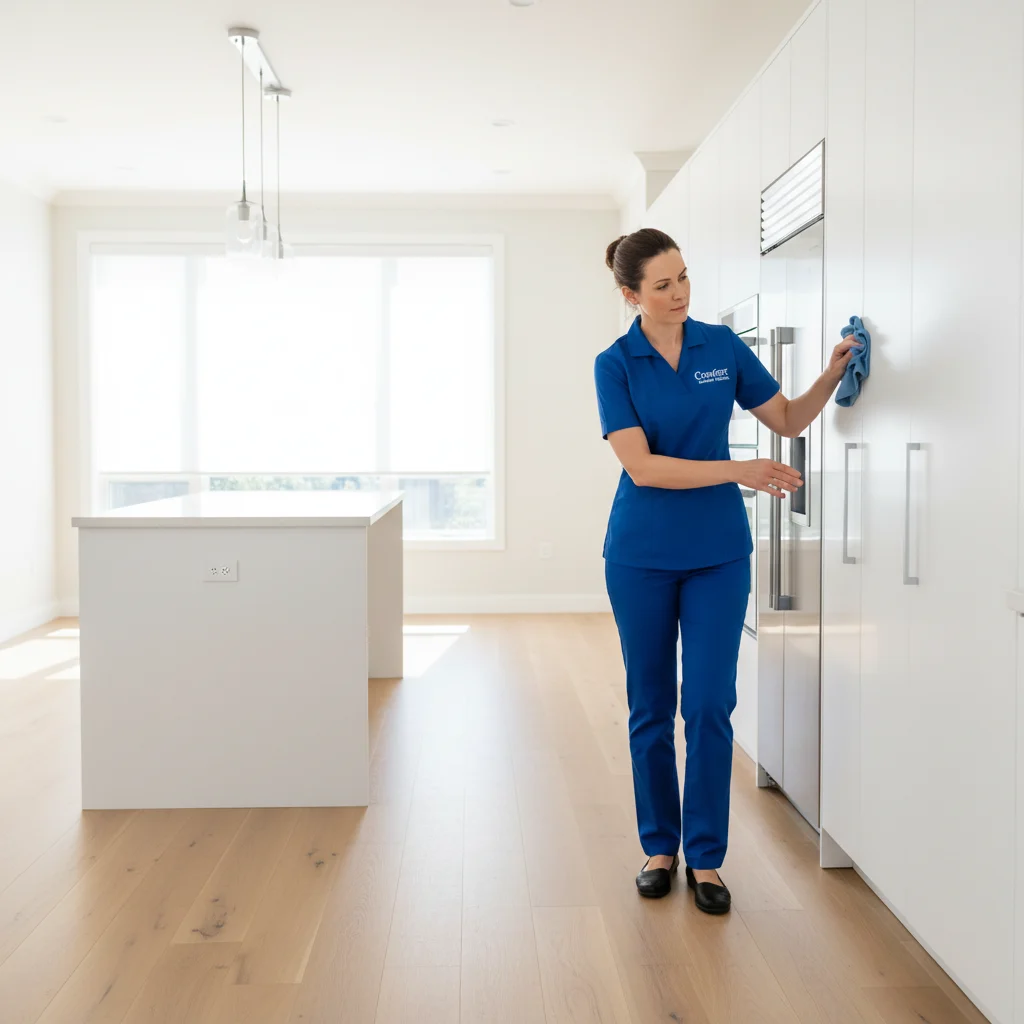
Our post renovation cleaning covers the full scope of what a renovation leaves behind — not just what’s visible on the surface. That includes drywall dust and fine particulate matter on walls, shelves, and surfaces throughout the space. It includes the interiors of cabinets and drawers that fill with dust during construction. Window sills, tracks, and frames. Baseboards and trim. Appliance exteriors and fixture surfaces. Floors vacuumed and mopped with products appropriate for the material.
For City Heights specifically, the age of the housing stock changes what this service needs to account for. Homes built in the 1910s through 1930s often have original hardwood floors, plaster walls, older tile, and materials that require a careful, non-abrasive approach. Using the wrong cleaner on a freshly refinished hardwood floor or newly painted plaster wall can cause permanent damage. We use non-toxic, eco-friendly products that are effective on construction residue without being harsh on the surfaces we’re cleaning.
For investors and landlords renovating rental properties or ADUs in City Heights — a fast-growing segment given the neighborhood’s Opportunity Zone designation and rising home values — we deliver a move-in-ready result on a real timeline. Every day a unit sits uncleaned after a renovation is a day it isn’t generating rental income. We respond quickly, schedule around your project timeline, and deliver a result that gets your property ready for its next occupant.
This is one of the most important questions for City Heights homeowners specifically, and it deserves a straight answer. Post renovation cleaning is not the same as lead abatement — if your renovation disturbed lead-containing materials, a certified abatement contractor needs to handle the remediation itself, and that work falls under California and San Diego County regulations that require licensed professionals and proper disposal protocols.
What post renovation cleaning does address is the fine particulate dust that remains after a renovation — including dust that may carry lead paint residue from disturbed painted surfaces in pre-1978 homes. We use non-toxic, eco-friendly products that are safe for children and pets, which is especially relevant in City Heights where the Environmental Health Coalition has documented elevated childhood lead exposure risks tied directly to the neighborhood’s older housing stock. If your renovation included any lead abatement work, the post-abatement cleaning required before reoccupancy is a separate, specific scope — reach out to discuss what that looks like for your project.
They’re genuinely different services, and the distinction matters when you’re deciding what to book. A deep clean is designed for an occupied home that’s accumulated normal household grime over time — built-up grease, soap scum, dust on surfaces, that kind of thing. Post construction cleaning deals with a completely different set of materials and conditions.
After a renovation, you’re dealing with fine silica and drywall dust that has settled into every crack and crevice, adhesive residue from protective films, paint overspray on fixtures and hardware, and construction debris in places no one thinks to check — inside cabinet hinges, in window tracks, along baseboards, in HVAC vents. These materials require different techniques and a different sequence of cleaning than a standard deep clean. In an older City Heights home, where a renovation may have disturbed original plaster, historic tile, or refinished hardwood floors, using the wrong products or skipping the top-down sequence can leave scratches or residue on surfaces that were just restored. Post renovation cleaning is specifically built for this situation — not adapted from something else.
Yes, and this is one of the most common misconceptions people run into after a renovation. What a contractor does at the end of a job is bulk cleanup — sweeping up large debris, removing scrap materials, doing a basic pass on the floors. That’s part of their scope. What it doesn’t cover is everything else.
Construction dust is extremely fine — fine enough that it passes through standard broom sweeps and regular vacuums, which often just recirculate it back into the air. It settles on every horizontal surface, gets inside cabinets and drawers, coats window tracks and sill edges, and works its way into HVAC systems where it will keep recirculating for months. In a City Heights home where the renovation may have disturbed decades-old materials in walls or ceilings, that dust has a different composition than what you’d find in a newer-construction neighborhood. A contractor’s sweep doesn’t address any of that. Professional post renovation cleaning starts where the contractor left off and covers everything they were never going to touch.
It takes significantly longer than a standard clean — typically in the range of eight to twelve hours for an average-sized home, compared to three to four hours for a routine cleaning visit. The exact time depends on the size of the space, the scope of the renovation, and how much dust migration has occurred into adjacent rooms or shared areas.
In City Heights, where a large portion of the housing stock is multi-family, renovations in apartment buildings or multi-unit properties often require additional time to address common areas, hallways, and shared spaces that collected dust during the project. A kitchen or bathroom remodel in a 1920s City Heights bungalow will also tend to take longer than the same remodel in a newer home, because older construction materials — plaster walls, original tile, refinished hardwood — require a more careful, methodical approach. When you reach out to us, we’ll ask about your specific project so we can give you an accurate estimate of what’s involved rather than a number pulled from a general formula.
It can, if the wrong products or tools are used — and this is a legitimate concern worth taking seriously. Silica particles from drywall and concrete act like fine sandpaper on hardwood and laminate floors. Using an abrasive tool or the wrong cleaning solution on a freshly refinished surface can cause scratches, dull the finish, or in some cases void the manufacturer’s warranty on new flooring materials.
We use non-toxic, non-abrasive, eco-friendly cleaning products specifically because they’re effective on construction residue without being harsh on the surfaces we’re cleaning. For freshly painted walls and trim, we avoid products that can lift or streak new paint. This is especially relevant in City Heights homes where original hardwood floors, plaster walls, and older tile are common renovation features — materials that require a gentler approach than modern construction surfaces. If you have specific concerns about a particular surface or finish in your home, mention it when you book so we can plan accordingly.
Yes, and it’s a growing part of what we do in this neighborhood. City Heights is designated as an Opportunity Zone, and investor activity has accelerated significantly — home values rose over 11% year-over-year in late 2025, and landlords are actively adding ADUs to existing properties to generate additional rental income. Each completed renovation or new ADU needs to be professionally cleaned before a tenant moves in.
For property investors and landlords, the priority is straightforward: get the unit cleaned and ready as quickly as possible without cutting corners that create tenant complaints later. We’re consistently reviewed for fast response times and reliable scheduling, which matters when a vacant unit is costing you money every day it sits unoccupied. Our service covers everything a tenant will notice — surfaces, floors, cabinet interiors, fixtures, and the fine dust that a basic sweep never catches. If you’re managing multiple units or have a renovation wrapping up on a specific timeline, reach out early so we can work around your schedule rather than the other way around.
Other Services we provide in City Heights